EDM Tungsten Copper Discharge Electrode
1. What's EDM Tungsten Copper Discharge Electrode?
EDM tungsten copper discharge electrode is a conductive machining tool for Electrical Discharge Machining (EDM), removing workpiece material through controlled electrical discharges. CTIA's EDM tungsten copper discharge electrode combines tungsten's heat resistance and arc erosion resistance with copper's electrical and thermal conductivity. It withstands localized high temperatures during machining while providing efficient pulsed current transmission and heat dissipation, making it suitable for precision molds, cemented carbide, and other difficult-to-machine conductive materials.
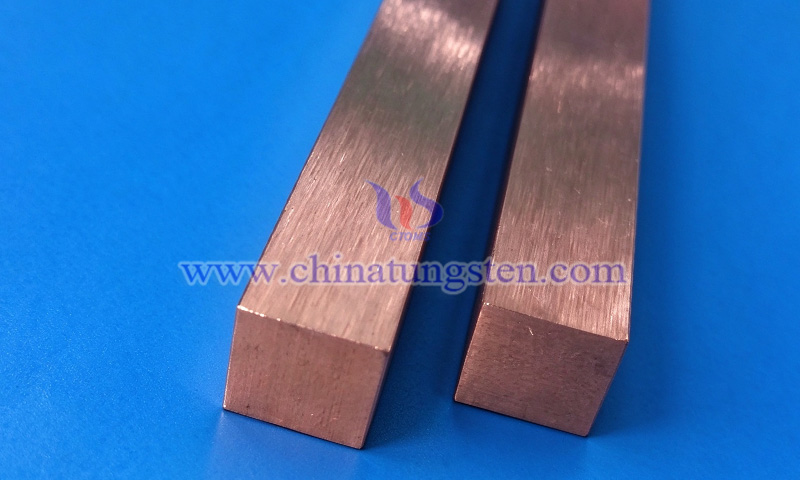
2. Characteristics of CTIA's EDM Tungsten Copper Discharge Electrode
(1) High-Temperature Resistance and Arc Erosion Resistance: Tungsten has a melting point of approximately 3,420°C, helping the electrode withstand localized discharge temperatures, reduce wear, maintain its profile, and minimize replacement frequency.
(2) Good Electrical Conductivity and Heat Dissipation: The copper phase conducts pulsed current and dissipates heat. CuW70 typically has an electrical conductivity of 41–42% IACS, while CuW80 is approximately 32–38% IACS. Conductivity generally decreases as tungsten content increases, so material selection should balance conductivity and erosion resistance.
(3) Low Electrode Wear and High Machining Accuracy: A relatively low electrode wear ratio helps maintain dimensional accuracy when machining complex cavities and fine profiles. Actual performance depends on electrode composition, workpiece material, and discharge parameters.
(4) Good Surface Quality and Thin Recast Layer: Minimal recast layer thickness improves workpiece surface finish; performance in specialized setups like powder-mixed dielectric fluids depends on powder type, discharge parameters, and workpiece material.
(5) Good Rigidity for Spacious Structures: High rigidity and hardness allow tungsten copper to be machined into slender rods, tubes, and micro-electrodes for deep holes, narrow grooves, and fine structures. Although generally more expensive than conventional copper, it is suitable for applications prioritizing electrode life and machining accuracy.
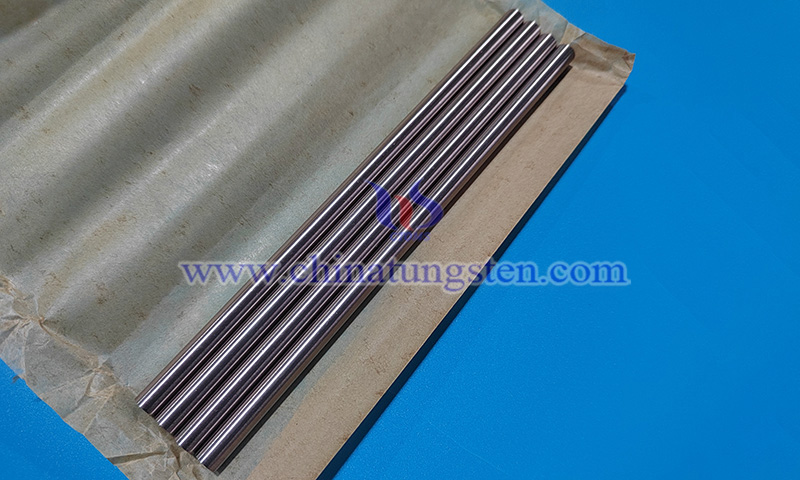
3. Types of CTIA's EDM Tungsten Copper Discharge Electrode
(1) Round Rod Electrode: Cylindrical in shape, produced in various diameters and lengths per machining demands, used for holes, slots, and complex contour processing.
(2) Square Bar Electrode: Square in cross-section, suitable for cavity, narrow slot, and right-angled contour machining.
(3) Tubular Electrode: Featuring a hollow structure, used for deep-hole and micro-hole EDM, with specific dimensions matched to machining equipment and fluid flushing methods.
(4) Plate Electrode: Possessing defined thickness and surface dimensions, suitable for EDM of cavity sidewalls, planar profiles, and wider grooves.
(5) Sheet Electrode: Thin in thickness, suitable for machining narrow gaps, fine grooves, and other precision features with limited clearance.
(6) Special-Shaped Electrode: Machined into specific geometries to match target cavities or workpiece profiles, suitable for EDM forming of complex cavities, fine ribs, grooves, and other special structures.
4. Applications of CTIA's EDM Tungsten Copper Discharge Electrode
(1) Precision Mold Machining: Used for machining fine ribs, narrow slots, and complex cavities in injection molds, stamping molds, and other precision molds, especially where electrode wear affects final dimensional accuracy.
(2) Cemented Carbide and Difficult-to-Machine Materials: Used for EDM of cemented carbide, titanium alloys, and other conductive materials suitable for electrical discharge machining, including complex cavities, fine grooves, and special profiles. Results depend on material properties and discharge parameters.
(3) Deep-Hole, Micro-Hole, and Spacious Structure Machining: Rod and tubular electrodes are used to machine slender holes, micro-holes, and deep narrow grooves in components for aerospace, electronics, and precision instruments.
(4) Grinding Wheel Dressing and Specialized EDM: Used for electrical discharge dressing of metal-bonded grinding wheels, as well as short-arc milling and combined-electrode machining processes. Electrode material and structure should be selected according to the specific process.
5. Specifications of CTIA's EDM Tungsten Copper Discharge Electrode
(1) Common compositions: CuW70, CuW75, CuW80, CuW85, CuW90, etc.
(2) Shapes and dimensions: Round rods, square rods, tubes, plates, sheets, customizable.
(3) Dimensional tolerances: Customizable to customer requirements.
CTIA GROUP has nearly 30 years of experience in tungsten copper alloy manufacturing, with extensive expertise in powder metallurgy and precision machining. CTIA provides material selection, electrode design, and precision machining tailored to workpiece materials, cavity geometries, and EDM requirements, covering everything from micro-electrodes to complex custom-shaped structures.
For any inquiry, please contact tungsten copper manufacturer: CTIA GROUP
Email: sales@chinatungsten.com
Tel: 0086 592 5129696 / 0086 592 5129595
Website: tungsten-copper.com
WeChat: