Tungsten Copper Horn Electrode
1. What's Tungsten Copper Horn Electrode?
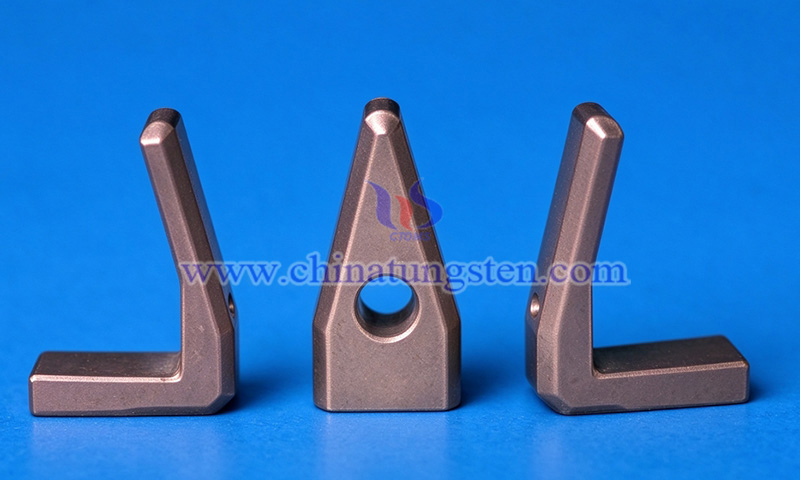
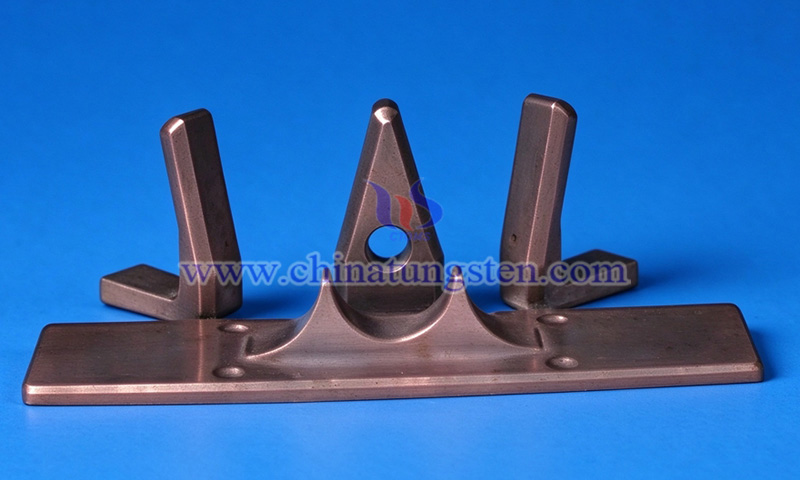
Tungsten copper horn electrode is discharge electrode made of tungsten copper composite material, typically produced by infiltrating copper into a sintered tungsten skeleton. CTIA's tungsten copper horn electrode features a curved structure that extends the arc path, helps extinguish the arc, and reduces electrode erosion, making it suitable for lightning protection spark gaps and other discharge devices.
2. Characteristics of CTIA's Tungsten Copper Horn Electrode
(1) Withstand High Temperature and Resist Arc Erosion: Tungsten's high melting point and hardness help the electrode retain its integrity under intense arc heating, limiting melting and surface damage during repeated discharges.
(2) Conduct Electricity and Dissipate Heat: Copper facilitates current flow and carries heat away from the discharge zone, helping prevent excessive heat buildup on localized electrode surfaces.
(3) Absorb Heat Through Copper Vaporization: Local melting and vaporization of the copper phase absorb thermal energy under intense heat, helping lower the electrode surface temperature and reduce material loss.
(4) Extend Arc Path to Promote Extinction: The horn-like geometry creates a longer arc path, helping the arc extinguish when the alternating current crosses zero and reducing repeated thermal damage to the same surface area.
(5) Resist Wear and Extend Service Life: The hard tungsten skeleton helps the electrode withstand wear caused by recurring discharges and mechanical contact, contributing to longer service life.
(6) Adjust Composition to Suit Operating Conditions: Different tungsten-to-copper ratios allow the balance between arc resistance, electrical conductivity, and heat dissipation to be adjusted for the discharge current and thermal load.
3. Applications of CTIA's Tungsten Copper Horn Electrode
(1) Lightning Protection Spark Gaps: Installed in Spark Gaps (SPGs), the curved electrode helps guide and lengthen the discharge arc, facilitating its extinction after a lightning surge.
(2) High-Voltage Switches and Surge Arresters: Used in discharge components of certain high-voltage switches and surge arresters to reduce concentrated arc erosion on electrode surfaces.
(3) Resistance Welding: Used in selected projection welding and butt welding applications to reduce electrode wear and extend service life.
(4) Air-Gap and Pulsed Discharge Devices: Used in specific air-gap discharge systems and pulsed discharge equipment to improve control over the arc path.
4. Specifications of CTIA's Tungsten Copper Horn Electrode
(1) Materials: CuW70, CuW75, CuW80, etc.
(2) Structural Designs: Horn-shaped, curved, and other custom profiles.
(3) Dimensions and Mounting Features: Electrode length, bend angle, end dimensions, mounting holes, and discharge gap can be customized to match equipment requirements.
CTIA GROUP draws on nearly 30 years of tungsten copper alloy manufacturing experience and extensive expertise in powder metallurgy and precision machining to design and customize horn electrodes with suitable material compositions, bend angles, and end geometries for different discharge parameters and equipment configurations.
For any inquiry, please contact tungsten copper manufacturer: CTIA GROUP
Email: sales@chinatungsten.com
Tel: 0086 592 5129696 / 0086 592 5129595
Website: tungsten-copper.com
WeChat: