Tungsten Copper Rotary Electrode
1. What's Tungsten Copper Rotary Electrode?
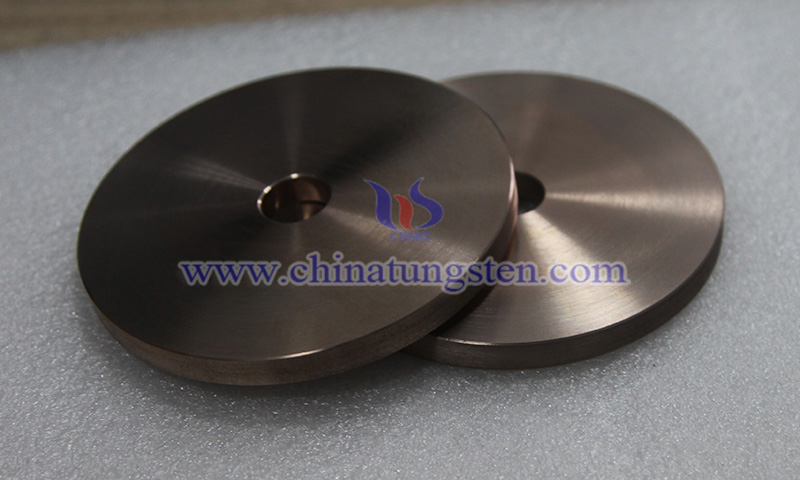
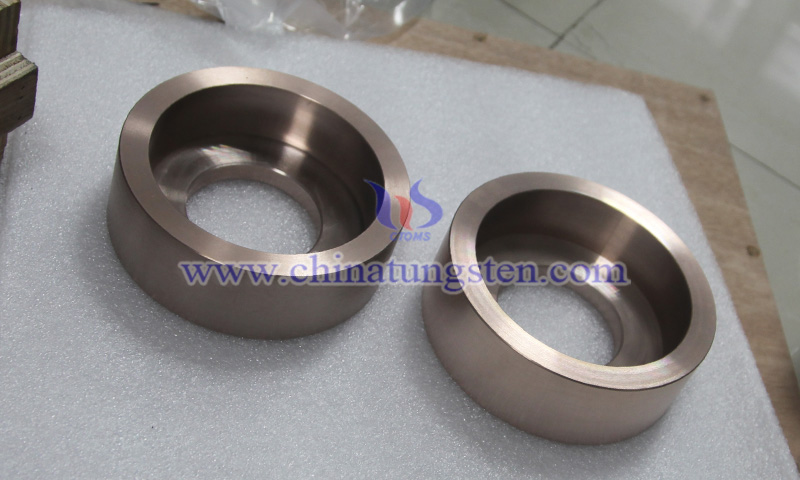
Tungsten copper rotary electrode is a tool electrode that rotates around its own axis during machining, available in rod or tube designs for small-hole Electrical Discharge Machining (EDM) and disc designs for EDM of Polycrystalline Diamond (PCD) and Polycrystalline Cubic Boron Nitride (PCBN) tools. CTIA's tungsten copper rotary electrode combines tungsten's high melting point and resistance to electrical erosion with copper's electrical and thermal conductivity. Rotation combined with flushing improves debris removal, making it suitable for micro-hole and deep-hole machining as well as precision grinding of superhard cutting tools.
2. Characteristics of CTIA's Tungsten Copper Rotary Electrode
(1) Efficient Debris Removal: Electrode rotation combined with flushing helps remove discharge debris promptly, reducing short circuits and machining interruptions. Hollow electrodes can also use internal flushing to carry debris out from the bottom of the hole.
(2) More Uniform Electrode Wear: Rotation allows all parts of the circumference to participate in discharge, reducing localized wear and improving hole diameter and profile accuracy.
(3) Resistance to Electrical Erosion and Low Tool Wear: Tungsten's high melting point helps prevent severe electrode erosion during discharge, extending service life.
(4) Good Electrical and Thermal Conductivity: The copper phase ensures efficient current transmission and rapid heat dissipation, balancing machining efficiency and electrode wear.
(5) Good Disc Profile Retention: Resistance to electrical erosion helps maintain a stable working profile on rotating disc electrodes, improving grinding accuracy for PCD and PCBN tools.
(6) Flexible Material Composition: Common materials include CuW70, CuW75, and CuW80; higher tungsten content increases hardness while slightly reducing electrical conductivity, selectable according to machining demands.
3. Applications of CTIA's Tungsten Copper Rotary Electrode
(1) Small and Micro-Hole EDM: Applied to aero-engine cooling holes, mold nozzle holes, and precision component micro-holes using rotating rod or tube electrodes.
(2) High Aspect Ratio Deep-Hole Machining: Suitable for slender hole and deep-hole EDM drilling, where rotation and internal flushing facilitate debris evacuation for smoother machining.
(3) Micro-Hole Machining in Hard-to-Machine Materials: Used for micro-hole drilling in titanium alloys such as Ti-6Al-4V, balancing material removal rate and electrode wear control.
(4) PCD Tool Electrical Discharge Grinding: Utilizing rotating disc electrodes for cutting edge shaping, profile machining, and dressing of polycrystalline diamond tools.
(5) PCBN Tool Electrical Discharge Machining: Applied to discharge grinding and profile dressing of polycrystalline cubic boron nitride tools, satisfying shaping demands for high-hardness tools.
4. Specifications of CTIA's Tungsten Copper Rotary Electrode
(1) Common materials: CuW70, CuW75, CuW80, etc.
(2) Available forms: Rods, tubes, disc electrodes, etc.
(3) Dimensions and tolerances: Customizable to customer requirements.
(4) Surface finish: Grinding, polishing, etc.
CTIA GROUP has nearly 30 years of experience in tungsten copper alloy manufacturing, with extensive expertise in powder metallurgy and precision machining. CTIA offers tungsten copper rotary electrodes in rod, tube, and disc designs, with material selection, structural customization, and precision machining tailored to hole dimensions, flushing requirements, and PCD/PCBN tool grinding needs.
For any inquiry, please contact tungsten copper manufacturer: CTIA GROUP
Email: sales@chinatungsten.com
Tel: 0086 592 5129696 / 0086 592 5129595
Website: tungsten-copper.com
WeChat: