Tungsten Copper Arc Erosion Contact
1. What's Tungsten Copper Arc Erosion Contact?
Tungsten copper arc erosion contact is an electrical contact component made from tungsten copper alloy (pseudo-alloy) and designed to withstand arc erosion, primarily for use in arcing contact systems of high-voltage switching equipment. During current interruption, the high-temperature arc between contacts can cause the copper phase to melt, vaporize, and spatter, potentially damaging or detaching the tungsten skeleton. CTIA's tungsten copper contacts combine the tungsten skeleton's arc erosion resistance with the copper phase's electrical and thermal conductivity to reduce material loss and help maintain working surface geometry and electrical contact performance.
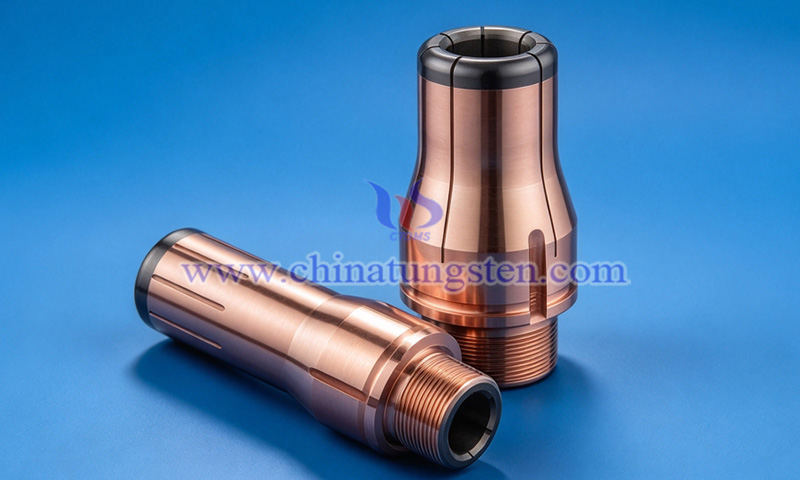
2. Characteristics of CTIA's Tungsten Copper Arc Erosion Contact
(1) Resistance to Arc Erosion: Tungsten matrix maintains surface structural integrity during copper phase melting, slowing material loss; if tungsten matrix melts or spalls, contact degradation accelerates.
(2) Polarity Differences in Erosion: Anode and cathode exhibit distinct heating and material migration mechanisms, leading to variations in erosion morphology and mass loss.
(3) Adjustable Material Composition: Elevating tungsten content helps construct continuous matrix and enhances erosion resistance, though excessively high content may increase brittleness and spalling risks.
(4) Microstructure Effects on Arc Erosion: Tungsten grain size, skeleton continuity, and copper phase distribution all affect heat transfer, molten pool formation, and material spattering.
(5) Contact Geometry Affecting Interruption Life: Arc erosion alters contact tip profile, contact surface area, and fitting clearance, impacting electric field distribution and subsequent switching performance.
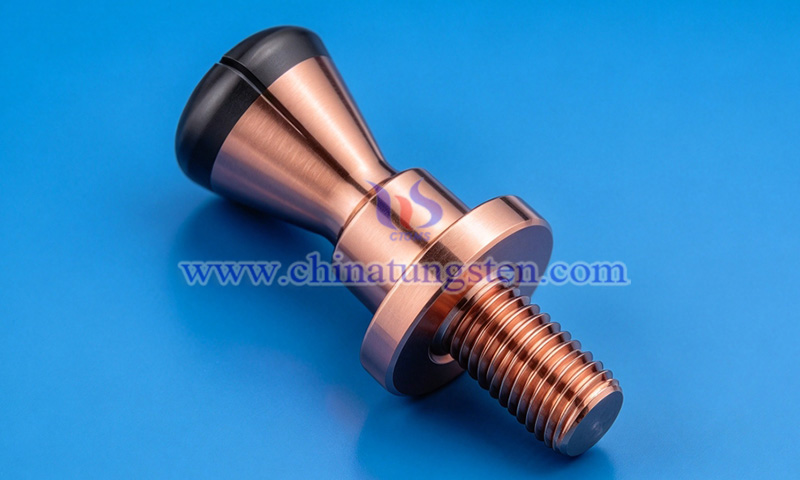
3. Applications of CTIA's Tungsten Copper Arc Erosion Contact
CTIA's tungsten copper contacts are primarily used in:
(1) High- and Extra-High-Voltage Circuit Breakers: Used at current interruption points to reduce arc damage to contact working surfaces and delay contact failure caused by material loss.
(2) Gas-Insulated Circuit Breakers: Used as arcing contacts to reduce erosion and changes in contact geometry caused by repeated current interruption, helping maintain proper contact fit.
(3) Generator Circuit Breakers: Used as arcing contacts in generator circuit breakers to withstand intense arc exposure during high-current interruption and extend contact service life.
(4) Medium- and High-Voltage Load Switches: Used as arcing contacts in load switches to reduce erosion during load current interruption and lower the need for frequent contact replacement.
(5) Environmentally Friendly Gas Circuit Breakers: Used as arcing contacts in circuit breakers employing environmentally friendly gases such as CO₂, reducing contact material loss caused by arc erosion while meeting switching equipment interruption requirements.
4. Specifications of CTIA's Tungsten Copper Arc Erosion Contact
(1) Common Material: WCu30, WCu25, WCu20, WCu15, etc.
(2) Tungsten Content: Typically 70%–85%.
(3) Dimensions: Customizable according to requirements.
CTIA GROUP has nearly 30 years of experience in tungsten copper alloy manufacturing, with extensive expertise in powder metallurgy, copper infiltration, and precision machining. CTIA provides integrated customization solutions covering material selection, contact structure design, and precision machining to meet the arc erosion resistance and assembly accuracy requirements of different high-voltage switching equipment.
For any inquiry, please contact tungsten copper manufacturer: CTIA GROUP
Email: sales@chinatungsten.com
Tel: 0086 592 5129696 / 0086 592 5129595
Website: tungsten-copper.com
WeChat: