Tungsten Copper Alloy in Fusion Energy
Tungsten copper alloy is metallic composite material consisting of tungsten and copper. It combines the high melting point and ablation resistance of tungsten with the excellent thermal conductivity of copper, and the thermal and mechanical properties of the material can be adjusted by varying the ratio of the two metals. These characteristics give it significant application potential in the field of fusion energy, where it can be used in the research and development of certain high-heat-flux components, heat sink structures, and related test assemblies.
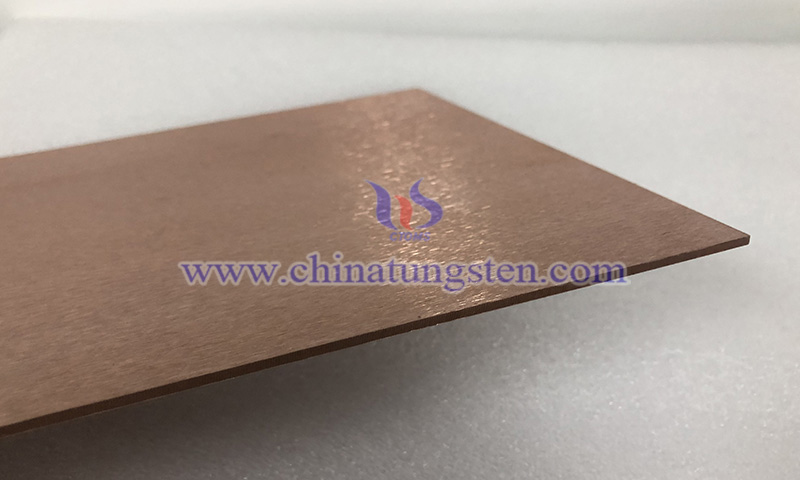
1.Features of CTIA's Tungsten Copper Alloy in Fusion Energy
CTIA's tungsten copper alloy has the following features:
(1) High-Temperature Resistance and Ablation Resistance: Tungsten has high melting point and strong sputtering resistance, making it suitable for components in nuclear fusion devices that are subjected to high temperatures and bombardment by high-energy particles.
(2) Adjustable Thermal Conductivity and Adaptability to Different Thermal Loads: By adjusting the tungsten-to-copper ratio and the composite structure, the material’s thermal conductivity, coefficient of thermal expansion, and mechanical properties can be modified to meet the design requirements of different components.
(3) Combining Heat Transfer with Structural Design to Improve Thermal Cycling Performance: By optimizing material microstructure, interfacial bonding, and cooling structures, heat transfer performance under high heat flux conditions can be improved; however, thermal fatigue resistance still needs to be verified through testing under specific operating conditions.
(4) Flexible structure to accommodate customization needs: Tungsten-copper materials and composite structures of various specifications can be customized according to the shape, dimensions, and assembly requirements of relevant components in fusion devices to meet the design needs of specific components.
3.Applications of CTIA's Tungsten Copper Alloy in Fusion Energy
(1) Divertor-Related Component: The divertor is responsible for removing heat and particles from the plasma. Tungsten-copper composite materials can be used in the research and development of related heat sinks and composite structures, but must be designed in conjunction with components such as tungsten armor, copper interlayers, and cooling tubes.
(2) First Wall-Related Component: To address the high heat load requirements in specific areas of the first wall, the suitability of tungsten-copper composite materials for localized heat sinks, connection structures, or test assemblies can be evaluated, depending on the material requirements facing the plasma and the cooling conditions. (3) High-Heat-Flux Test Assembly: Used for divertor simulators, material interface connection specimens, and thermal load test assemblies to evaluate the materials’ heat transfer capabilities, thermal cycle stability, and structural reliability.
4.Specifications of CTIA's Tungsten Copper Alloy in Fusion Energy
(1) Common Material: CuW70, CuW75, CuW80 and CuW85, etc.
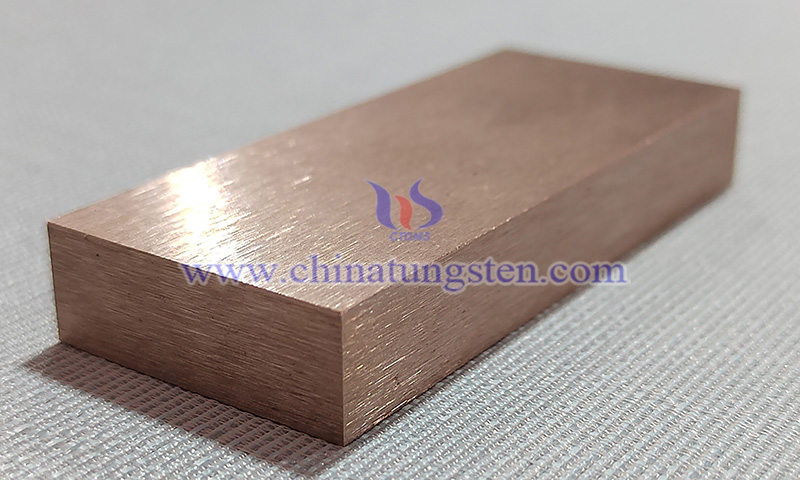
(2) Structural Form: Tungsten copper plate, block, rod, tube and customized composite structure
(3) Dimension and Tolerance: Customized according to component design, assembly requirement and service condition
CTIA GROUP has focused on tungsten copper alloys for nearly 30 years, with extensive experience in powder metallurgy and precision machining, and can provide tungsten-copper material selection, structural design, precision machining, and customized solutions based on performance needs, component design, and dimensional requirements of fusion energy-related components. CTIA can also evaluate material and machining solutions under specific high-heat-flux and complex thermal-cycling conditions.
For any inquiry, please contact tungsten copper manufacturer: CTIA GROUP
Email: sales@chinatungsten.com
Tel: 0086 592 5129696 / 0086 592 5129595
Website: tungsten-copper.com
WeChat: