Tungsten Copper Electrode in Electric Upsetting
Electric upsetting is a metalworking process that uses resistance heating to heat a localized section of a metal bar, followed by axial pressure to upset the heated section into the required shape. It is commonly used to manufacture automotive engine valves, shaft components, and blanks for high-strength fasteners. CTIA's tungsten copper electrode combines tungsten's high melting point and hardness with copper's electrical and thermal conductivity, making it suitable for high-current conduction and repeated clamping in electric upsetting equipment. The electrode provides stable current transfer and reliable workpiece contact during localized heating and upsetting of metal bars.
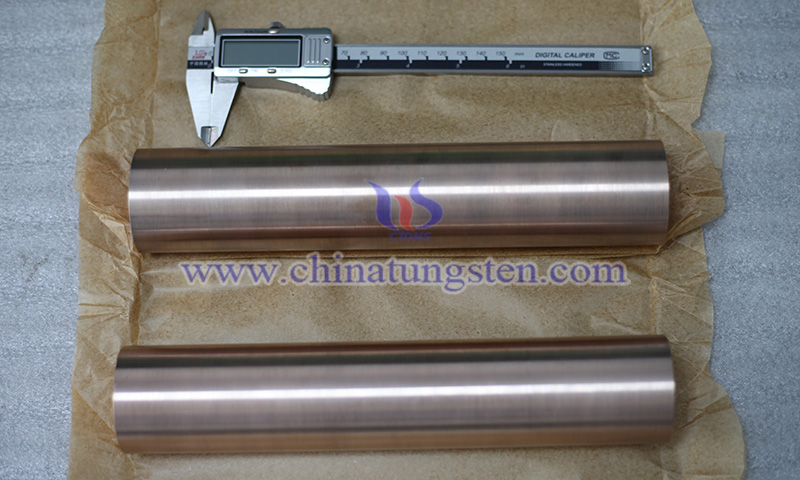
1. Characteristics of CTIA's Tungsten Copper Electrode in Electric Upsetting
(1) Good Electrical and Thermal Conductivity: The copper phase provides efficient paths for current conduction and helps dissipate heat from the contact area, reducing localized overheating of the electrode.
(2) Good Wear Resistance: Tungsten's high hardness and strength improve the wear resistance of the electrode's working surface, helping reduce wear caused by repeated clamping of metal bars.
(3) Stable High-Temperature Performance: Tungsten's high melting point helps the electrode maintain structural stability under repeated heating and thermal cycling during electric upsetting.
(4) Reliable Electrical Contact: The electrode contact surface can be precision-machined according to the bar diameter and clamping structure, improving workpiece contact and ensuring stable current transfer.
(5) Multiple Material Selections: CuW70, CuW75, CuW80, and other materials are available to meet different requirements for current load, operating temperature, and wear resistance.
(6) Customizable Structures and Dimensions: Supports block, ring, clamping insert, and custom complex structural machining, with dimensions and mating faces tailored to electric upsetting machine configurations and installation methods.
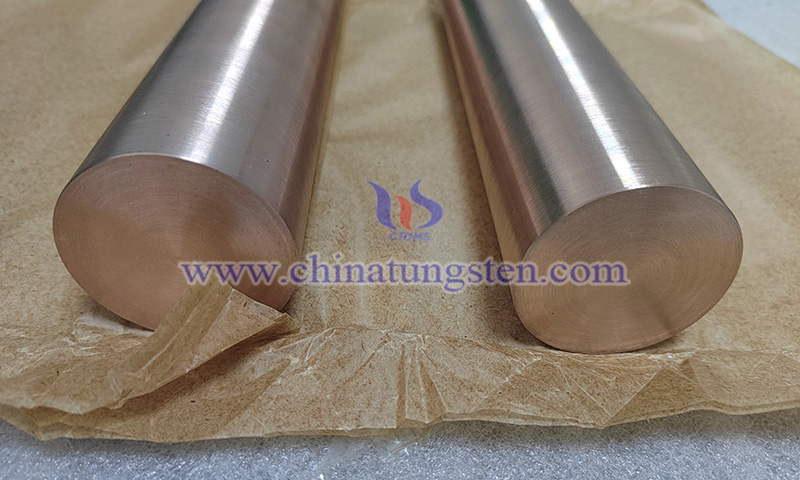
2. Applications of CTIA's Tungsten Copper Electrode in Electric Upsetting
(1) Automotive Engine Valve Upsetting: Used for resistance heating and upsetting of valve stem bars, providing stable current transfer and reliable contact during valve head forming.
(2) High-Strength Fastener Upsetting: Used for upsetting the ends of bolt and stud blanks to form enlarged sections before subsequent threading and machining.
(3) Shaft End Upsetting: Used for localized heating and upsetting of stepped shafts, pins, and similar components to form enlarged ends or stepped sections.
(4) Complex Component Blank Forming: Used for metal bars requiring localized thickening and end enlargement, achieving predefined shapes via local resistance heating and axial upsetting.
3. Specifications of CTIA's Tungsten Copper Electrode in Electric Upsetting
(1) Materials: CuW70, CuW75, CuW80, etc.
(2) Product Forms: Tungsten copper blocks, rings, clamping inserts, and custom-shaped components.
(3) Dimensions and Tolerances: Customizable.
CTIA GROUP has nearly 30 years of experience in tungsten copper alloy manufacturing, specializing in powder metallurgy and precision machining. CTIA customizes materials, structures, and dimensions according to equipment current loads, bar specifications, and clamping configurations. Each electrode is precision-machined to meet requirements for electrical conductivity, wear resistance, and assembly accuracy under different electric upsetting conditions.
For any inquiry, please contact tungsten copper manufacturer: CTIA GROUP
Email: sales@chinatungsten.com
Tel: 0086 592 5129696 / 0086 592 5129595
Website: tungsten-copper.com
WeChat: