Tungsten Copper Grinding Wheel Electrode
1. What's Tungsten Copper Grinding Wheel Electrode?
Tungsten copper grinding wheel electrode is a specially shaped tool electrode used in Electrical Discharge Machining (EDM) to form and repair Polycrystalline Diamond (PCD) tools and dress metal-bonded diamond grinding wheels through controlled electrical discharges. Unlike conventional block or rod electrodes, CTIA's tungsten copper grinding wheel electrodes typically feature annular, disc-shaped, wheel-shaped, or cup-shaped designs to suit rotary machining and specific profile requirements.
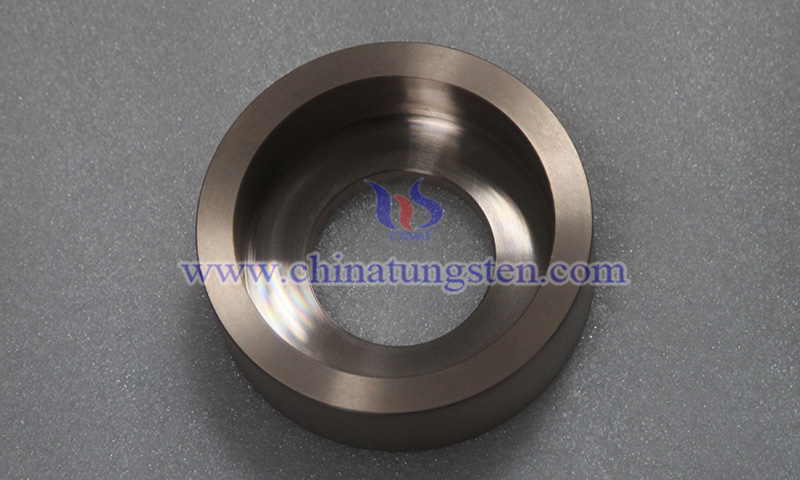
2. Characteristics of CTIA's Tungsten Copper Grinding Wheel Electrode
(1) High-Temperature Resistance and Resistance to Electrical Erosion: Tungsten's high melting point improves the electrode's resistance to arc erosion under high-temperature discharge conditions, reducing material loss and extending service life.
(2) Good Wear Resistance and Low Wear Rate: Tungsten copper offers high hardness and wear resistance, helping maintain electrode geometry during discharge machining and minimize the impact of electrode wear on machining accuracy.
(3) High Machining Efficiency and Low Electrode Loss: Comparative tests indicate that tungsten-copper-based abrasive electrodes offer higher material removal rates under specific machining conditions while maintaining a lower relative electrode wear rate.
(4) Low Surface Roughness and Superior Machining Quality: Surface roughness achieved with tungsten-copper electrodes is lower than that of copper-based abrasive electrodes and traditional electrodes, helping improve workpiece surface finish.
(5) Good Electrical and Thermal Conductivity: The copper phase helps conduct pulsed current and dissipate machining heat, meeting the electrical and thermal requirements of EDM. Conductivity varies with tungsten-to-copper composition.
(6) Diverse Shapes and Strong Equipment Adaptability: Available in disc, wheel, cup, and ring structures, customized to equipment spindle interfaces, workpiece targets, and profile demands to suit PCD tool processing and grinding wheel dressing.
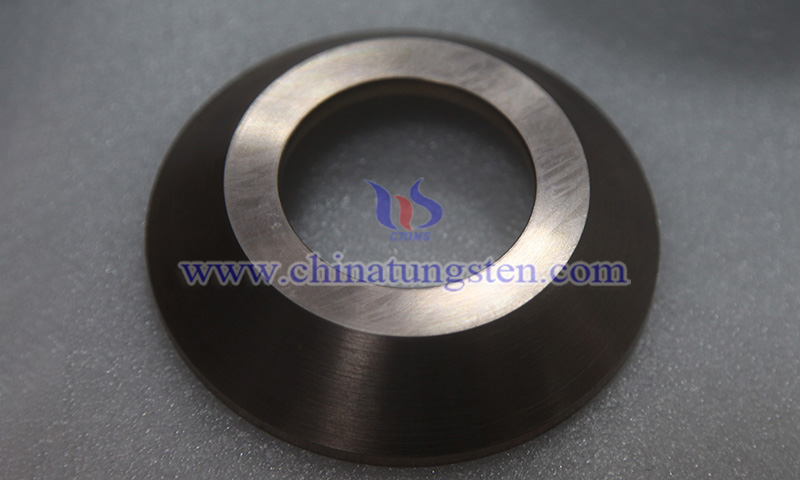
3. Applications of CTIA's Tungsten Copper Grinding Wheel Electrode
(1) PCD Tool Shaping and Restoration: Used in EDM of polycrystalline diamond tools, including tool shaping, cutting edge processing, and restoration; requires verifying equipment models and electrode interfaces.
(2) Metal-Bonded Diamond Grinding Wheel Dressing: Applied in EDM removal of metal binder from grinding wheel surfaces, re-exposing diamond abrasive grains and dressing wheel profiles.
(3) Metal Matrix Composite Machining: Used in grinding-assisted electrochemical discharge machining of SiCp/Al (silicon carbide particle-reinforced aluminum matrix composites), selected according to specific processing techniques.
4. Specifications of CTIA's Tungsten Copper Grinding Wheel Electrode
(1) Common materials: CuW70, CuW75, CuW80, etc.
(2) Common shapes: Disc, cup, wheel, etc.
(3) Dimensions: Outer diameters of 50–200 mm, inner diameters of 10–60 mm, and thicknesses of 4–10 mm; customizable.
(4) Customization: Customized to equipment interfaces, electrode shapes, and machining requirements.
CTIA GROUP brings nearly 30 years of experience in tungsten copper alloy manufacturing, with extensive expertise in powder metallurgy and precision machining. Based on equipment interfaces, machining profiles, and application requirements, CTIA provides material selection, electrode design, dimensional customization, and precision machining solutions for PCD tool forming and repair as well as metal-bonded diamond grinding wheel dressing.
For any inquiry, please contact tungsten copper manufacturer: CTIA GROUP
Email: sales@chinatungsten.com
Tel: 0086 592 5129696 / 0086 592 5129595
Website: tungsten-copper.com
WeChat: